We visited the Brompton Road Cemetery on the 18th of March as our site visit for the week. During class, we discussed death culture in the Victorian era and saw how some artists perceived the idea of death through their works. We discovered that the Victorian view on death was much darker than it is today. In the past, people saw death as a time to be sad and to mourn those that they have lost, but now we often see it as a time to reflect on good memories and to celebrate life. These views have shifted since the beginning and can be seen through burials in the Brompton Cemetery.
In the Victorian period, many people kept relics of the ones they loved. This included things like death masks and jewelry made from the person’s hair. When visiting the cemetery, we also saw many different symbolized themes simply through headstones and caskets used. Some Victorians, like Christina and Dante Gabriel Rossetti, saw death as a tragic loss, and they used broken columns as a symbol of a life cut short, or angels as perpetual mourners. They believed that it would be better to either always be saddened by someone’s memories or to forget about them after death and move on.
However, today we can see death both as a loss and as a celebration of life. When walking through the cemetery, it was noticeable that people mourned death much more then than we do now. Today this cemetery offers an almost peaceful environment. Instead of relics, we use photographs to remember our loved ones and flowers to brighten their spirits. We now wear colors to a funeral to show that we are celebrating a life lived rather than a life lost. The Victorians saw darkness and tragedy in relation to death, and it was clearly represented in the Brompton Road Cemetery.
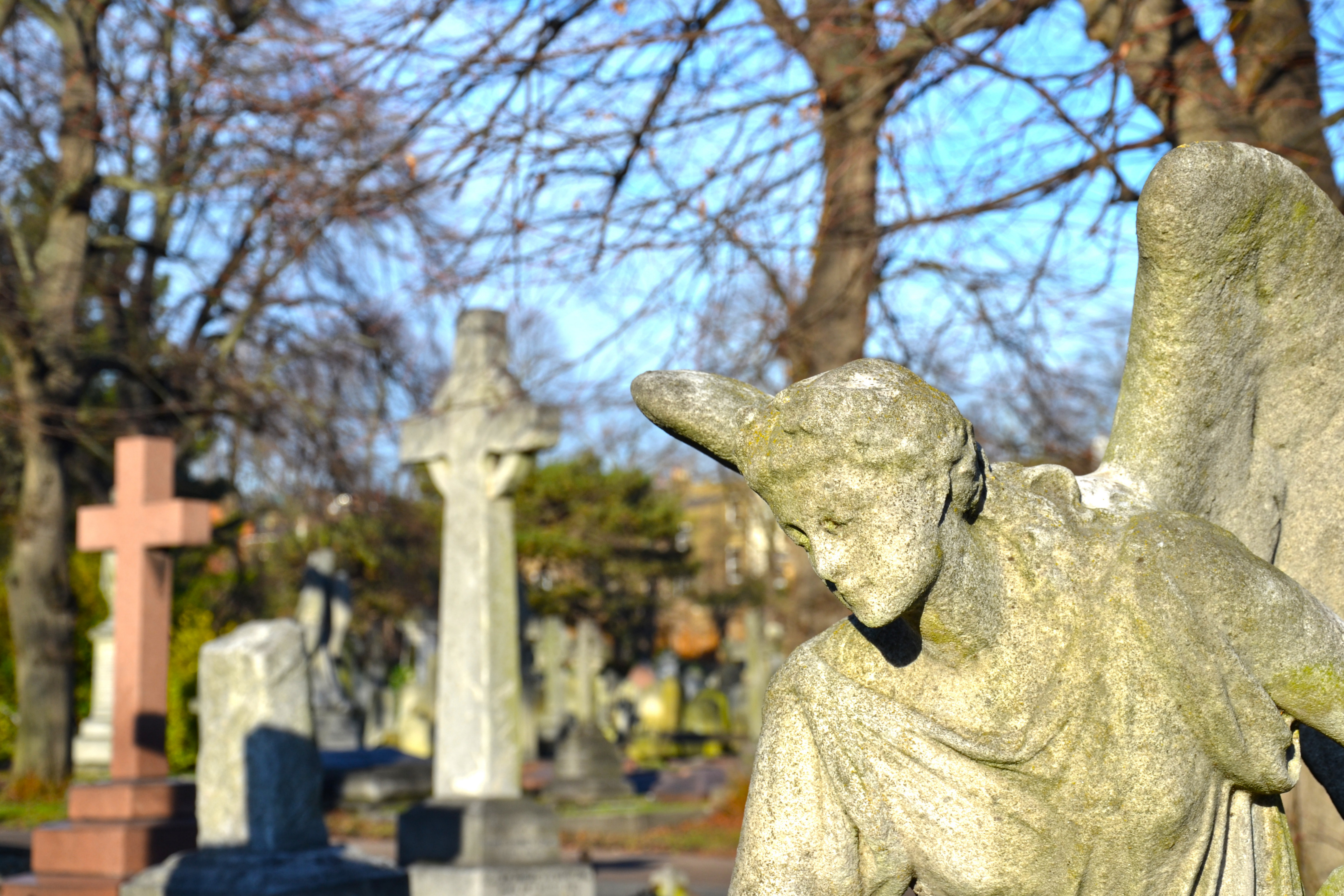 https://www.lonelyplanet.com/england/london/attractions/brompton-cemetery/a/poi-sig/371003/358914


 When thinking about Orientalism, the first thing that comes to mind is how artists, writers, and designers from the West often try to recreate the eastern aesthetic the best they know how either from experience and memory or from stories and imagination. I was fortunate enough to see this come to life during a site visit to the famous Leighton House. This is where artist Frederic Leighton built one of the most exquisite orientalist interiors that often inspired his paintings and sculptures. There was one room in particular that I felt reflected orientalism at its finest, and that was the Arab Hall.

